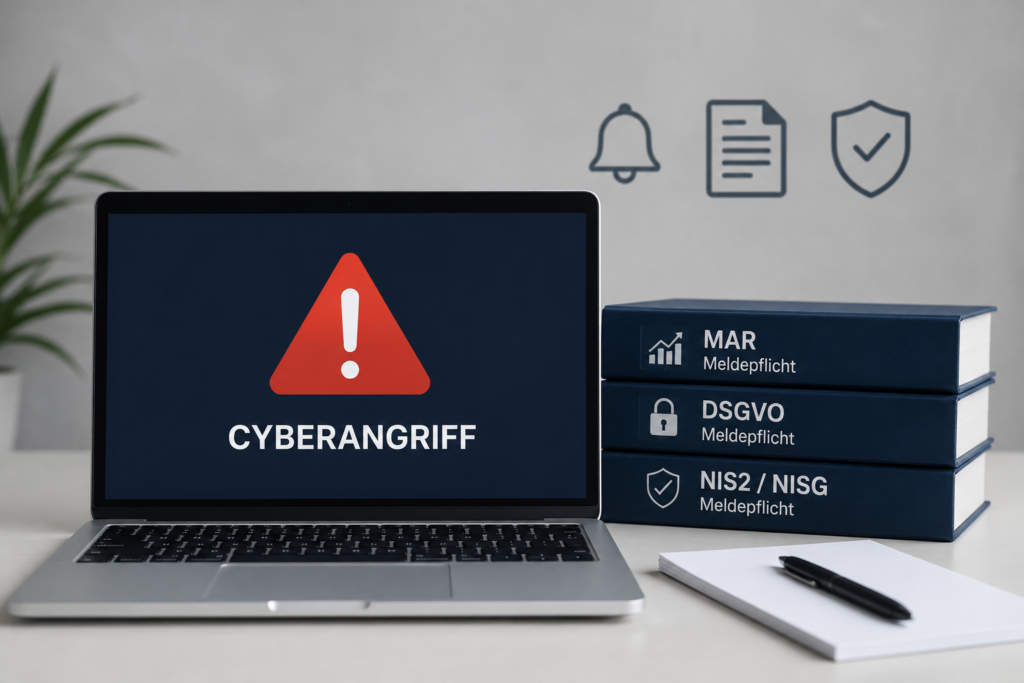


The threat situation
Cyberattacks are no longer just a problem for large corporations. Small and medium-sized enterprises (SMEs) are also increasingly becoming the targets of cybercriminals. The reasons for this are manifold: SMEs often have less robust security measures and are therefore easier to compromise. In addition, a successful attack on an SME can be used as a stepping stone for attacks on larger partner companies.
Additionally, it is emphasized that the threat situation is cross-sector. Regardless of whether a company operates in manufacturing, retail, the service sector, or the IT industry—every industry is a potential target for cyberattacks. Cybercriminals do not differentiate between industries, as they can encounter valuable data or vulnerabilities in all areas.
Financial consequences: More than just data loss
The costs of a cyber attack can vary considerably depending on the company, the type of attack, and the response time, and are made up of direct and indirect expenses.
Direct costs include technical measures where IT security experts analyze and remediate the attack. Ransom demands, particularly in ransomware attacks, as well as regulatory fines, for example for data protection violations, also play a role. In addition, there are costs for legal processing and support, as well as for communication (PR) and any negotiations with the attackers.
Indirect costs result from business interruption, which can cause significant financial losses. Reputational damage can also lead to a long-term loss of customer trust. Furthermore, companies may be obligated to compensate affected customers or business partners. Even with cyber insurance, a deductible often remains to be borne.
Legal consequences: Liability and compliance
Companies must consider not only the technical and financial aspects of a cyberattack, but also the legal consequences. Data breaches can lead to heavy fines, such as those provided for by the General Data Protection Regulation (GDPR). Companies are obligated to take appropriate security measures and, in the event of a data leak, to inform the affected individuals as well as the competent authorities. Failures can lead to significant legal and financial consequences.
Preventive measures: How companies can protect themselves
Prevention is the best protection against cyberattacks. Companies should invest in comprehensive security strategies that include both technical and organizational measures. These include regular security updates, firewalls, penetration tests, antivirus programs, and employee training on dealing with cyber risks. Another important step is the implementation of an emergency plan that contains clear instructions for action in the event of a cyberattack. In any case, taking out a (good) cyber insurance policy is recommended.
The right partner: Why legal advice is essential
Given the complexity and potential legal consequences of a cyberattack, it is advisable to secure legal support in a timely manner. An experienced attorney can help companies take the necessary precautions and respond quickly and effectively in an emergency. At ATB.LAW, together with our partners, we are at your side with expertise and experience in the field of cybercrime, supporting you in protecting your company in the best possible way – both in prevention and in an emergency (incident response).
Conclusion: Prevention is better than cure
Cyberattacks are a serious threat that can harm companies in a variety of ways. However, through preventive measures and legal advice, companies can minimize the risk and arm themselves against the financial and legal consequences of an attack. For further information and individual consultation, Anela Blöch (bloech@atb.law) and Roman Taudes (taudes@atb.law) available at any time.